
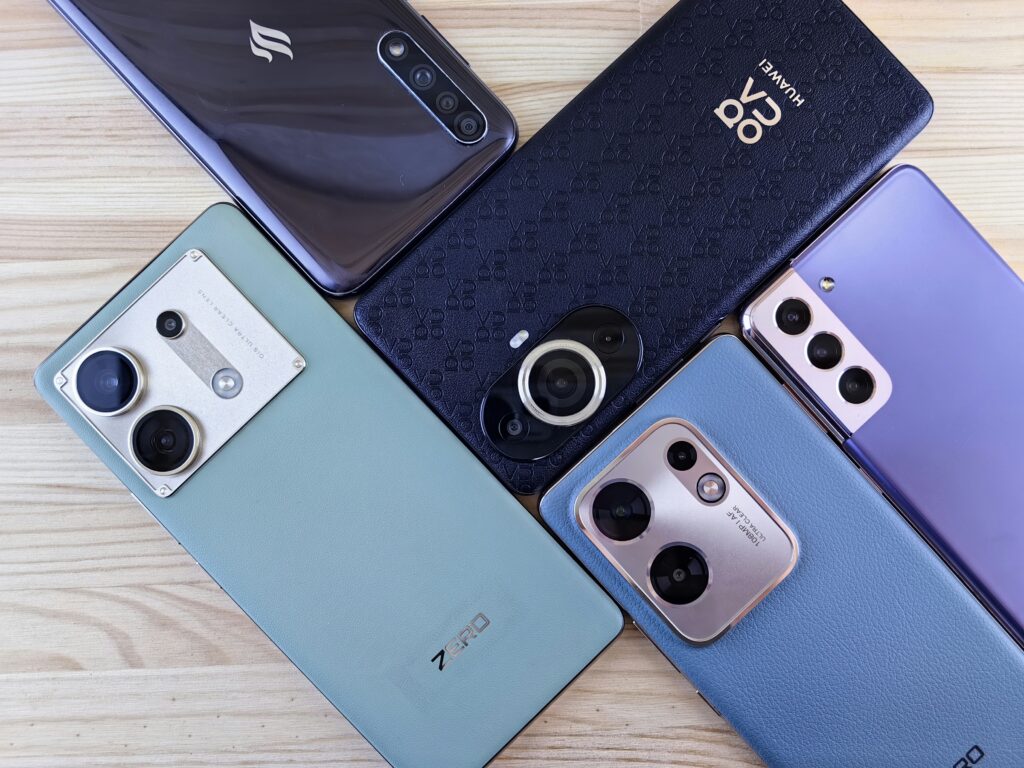
Introducing Top Mobiles
The smartphone landscape in 2026 is remarkable. If you’ve been keeping an eye on the top mobiles in 2026 has delivered, you’ll know the bar has been raised dramatically — slimmer profiles, smarter cameras, and battery life that finally justifies the premium price tag.
Leading the charge is the Galaxy S26 Ultra, Samsung’s flagship that has firmly established itself as the benchmark for premium Android devices. With a redesigned slimmer chassis, upgraded camera hardware, Qi2 wireless charging support, and measurably improved battery efficiency, it’s the device that rival manufacturers are scrambling to match. According to PhoneArena’s tested and reviewed roundup, it consistently ranks at the top of best Android phone lists for good reason.
The smartphone market in 2026 has become genuinely competitive — offering buyers more options at every price point. From budget picks to mid-range contenders, there’s real choice across the spectrum. Tech Advisor’s expert panel notes that both Android and iOS flagships have pushed meaningful innovation this cycle, rather than iterative updates.
Whether you’re hunting for a buying guide, comparing features side by side, or simply curious how 2026’s heroes stack up against last year’s standout devices, this guide covers it all. Next, let’s explore precisely what makes these devices worth your attention — focusing on the features and capabilities that distinguish the best.
Key Features and Capabilities
When evaluating the best phones 2026 has brought to market, a handful of defining capabilities consistently separate the genuinely impressive from the merely adequate. Understanding what to look for makes choosing your next device considerably less overwhelming.
Processing power has taken a significant leap forward. Flagship chipsets now deliver CPU and GPU performance that rivals dedicated computing hardware — a trend worth exploring if you’re also considering high-performance portable devices alongside your smartphone upgrade. In practice, this translates to smoother multitasking, faster app launches, and console-quality gaming experiences.
Camera technology remains the most fiercely contested battleground. According to Stuff’s smartphone rankings, computational photography — including AI-enhanced night modes, improved optical zoom, and real-time video stabilisation — is now table stakes even at mid-range price points. The gap between flagship and mid-range imaging has genuinely narrowed in 2026.
Battery efficiency has equally impressed. Smarter power management, paired with faster wired and wireless charging standards like Qi2, means most leading handsets comfortably manage a full day under heavy use. Connectivity upgrades, including refined 5G integration and Wi-Fi 7 support, round out the package across most tiers.
The phones worth your attention in 2026 aren’t just faster — they’re more capable across every dimension that matters to users.
Features like enhanced biometric security and foldable display refinements are also shaping buying decisions. With those foundations clear, here’s a close look at the ten specific handsets leading the charge this year.
List of Top 10 Mobiles in 2026
With features and capabilities clearly in focus, it’s time to dive into the phones actually worth your attention. These 2026 phones represent the very best the industry has produced this year, spanning premium flagships to intelligent mid-rangers. Here’s what each one brings to the table.
1. Samsung Galaxy S26 Ultra
A leading flagship of the year, the Galaxy S26 Ultra arrives with a slimmer titanium frame, a 200MP main camera, and Snapdragon 8 Elite 2 chipset. Battery efficiency is notably improved, with the 5,500mAh cell supporting Qi2 wireless charging. Price: approximately £1,299. According to PhoneArena’s tested review, it consistently tops premium Android rankings. The built-in S Pen remains a unique differentiator. Verdict: Best for power users and creatives who want the absolute best.
2. Samsung Galaxy A56
A mid-range triumph, the Galaxy A56 offers a triple-lens camera system — including a high-resolution main sensor, ultra-wide lens, and depth sensor — alongside a 6.7-inch AMOLED display and a 5,000mAh battery. Price: approximately £449. It punches well above its price bracket. For a deeper look at its camera and hardware credentials, this spec breakdown is particularly useful. Verdict: Ideal for budget-conscious buyers who won’t compromise on photography.
3. Apple iPhone 17 Pro Max
Apple’s latest delivers a redesigned camera bar housing a 48MP Fusion system, ProMotion 120Hz display, and A19 Pro chip. iOS 19 brings enhanced AI features to everyday tasks. Price: approximately £1,199. TechRadar’s best phone roundup places it firmly among the year’s elite. Verdict: The definitive choice for anyone deep in the Apple ecosystem.
4. Apple iPhone 17
The iPhone 17 introduces a thinner chassis, an aluminium design refresh, and a 24MP front camera — a first for the base model. Price: approximately £799. Battery life improvements over its predecessor are meaningful. Verdict: Perfect for those wanting Apple quality without flagship pricing.
5. Google Pixel 9 Pro XL
Google’s computational photography expertise shines here. The Pixel 9 Pro XL features a 50MP triple-camera array, seven years of OS updates, and Gemini AI integration throughout. Price: approximately £1,099. Consumer Reports highlights its consistent software performance. Verdict: Best for Android purists and photography enthusiasts.
6. Google Pixel 9a
The budget-friendly Pixel 9a delivers Google’s trusted camera algorithms and clean Android experience at a far more accessible price point. Price: approximately £499. Verdict: Outstanding value for those who prioritise software longevity.
7. OnePlus 13T
The OnePlus 13T impresses with 100W wired charging, a 6.78-inch LTPO AMOLED panel, and Snapdragon 8 Elite chipwork. Price: approximately £749. TechAdvisor’s expert picks commend its charging speed as genuinely class-leading. Verdict: Excellent for users who demand fast performance and near-instant charging.
8. Motorola Edge 60 Pro
Motorola delivers a polished mid-ranger with a 6.7-inch pOLED display, 50MP camera, and notably slim profile. Price: approximately £549. It’s a strong contender in the competitive mid-range segment, as Stuff.tv’s reviewed roundup confirms. Verdict: A compelling option for design-conscious buyers on a mid-range budget.
9. Sony Xperia 1 VII
Sony’s Xperia 1 VII caters to enthusiasts with a 4K HDR OLED display, professional-grade manual camera controls, and an impressive 3.5mm audio jack. Price: approximately £1,099. Verdict: Best suited to multimedia creators and audio purists.
10. Nothing Phone 3
Nothing’s third-generation device refines its distinctive Glyph interface, adds a capable 50MP camera, and runs a clean Android skin. Price: approximately £649. It stands out clearly among alternatives for its transparent design language and growing software maturity. Verdict: A stylish, characterful choice for those bored of conventional smartphone aesthetics.
With this list painting a comprehensive picture of what’s available across price points, the natural next question is: what will these devices actually cost you, and where can you find the best deals?
Pricing and Availability
Flagship phones 2026 don’t come cheap — but understanding where to buy and what to pay ensures you get the best value without compromise. Here’s a practical breakdown of launch prices and where current deals are making these handsets more accessible.
Launch Prices at a Glance
| Device | Official Launch Price (USD) |
|---|---|
| Samsung Galaxy S26 Ultra | $1,299 |
| Apple iPhone 17 Pro Max | $1,199 |
| Google Pixel 10 Pro | $999 |
| OnePlus 14 Pro | $799 |
| Samsung Galaxy S26+ | $1,099 |
Prices vary depending on storage configuration, with top-tier 1TB variants adding a further £100–£200 to the base cost in the UK market.
Where to Find the Best Deals
Retail pricing is one thing; real-world availability is another. In practice, the most competitive offers tend to surface across a handful of trusted platforms:
- Amazon regularly bundles flagship models with trade-in credits worth up to $200, alongside limited-time lightning deals during Prime events. The Samsung Galaxy S26 Ultra has seen cashback promotions of up to $150 in early 2026 listings.
- eBay is worth monitoring for certified refurbished units, often undercutting new retail prices by 15–20% — a particularly smart route for buyers prioritising value. Sellers with high feedback scores offer buyer protection that rivals high street guarantees.
- Carrier websites (such as Verizon, EE, and O2) frequently offer 0% APR financing or free storage upgrades when signing 24-month contracts.
- Dedicated mobile retailers like established phone comparison platforms and networks often list exclusive bundle deals not advertised elsewhere.
According to TechRadar’s 2026 smartphone roundup, buyers who purchase within the first 30 days of a device launch frequently capture the strongest promotional bundles before stock normalises.
One important caveat: promotional pricing shifts quickly, and regional availability affects which deals apply to UK versus US buyers. With pricing now clearer, it’s worth exploring exactly where — and for how much — you can secure these devices globally.
Gadgets of the Future: The Top Trending Device You Need Now
Global Pricing and Availability
With the top devices clearly mapped out, knowing where to buy them — and what you’ll actually pay — makes all the difference. Whether you’re tracking upcoming smartphones 2026 for a planned upgrade or an impulse purchase, prices vary significantly across regions and retail platforms.
Pricing by Country
Here’s a general pricing guide for flagship and mid-range models across key markets:
| Country | Entry Flagship (approx.) | Premium Flagship (approx.) |
|---|---|---|
| 🇺🇸 USA | $799 – $999 | $1,199 – $1,499 |
| 🇬🇧 UK | £749 – £949 | £1,099 – £1,399 |
| 🇦🇺 Australia | AUD 1,299 – 1,599 | AUD 1,899 – 2,299 |
| 🇮🇳 India | ₹69,999 – ₹89,999 | ₹1,09,999 – ₹1,34,999 |
| 🇩🇪 Germany | €899 – €1,099 | €1,249 – €1,549 |
Prices reflect standard retail rates at launch. Carrier deals and trade-in schemes can reduce costs considerably — often by £150–£300 in the UK alone.
Where to Buy
The most reliable smartphone purchasing sits at the intersection of competitive pricing and strong buyer protection. Multiple platforms cater to different priorities:
- Amazon – Competitive pricing, fast delivery, and frequent flash deals. Ideal for comparing sellers quickly and checking verified buyer reviews
- eBay – Strong for refurbished and pre-owned flagships at reduced prices; useful if you’re buying last-gen models at a discount
- Manufacturer websites (Samsung, Apple, Google) – Often include exclusive trade-in offers and bundled accessories
- Network carriers – Spread costs via contracts; useful if monthly payments suit your budget better than upfront spending
- Best Buy / Currys / JB Hi-Fi – Regional specialists offering in-store demos and price-matching policies
According to PhoneArena’s tested reviews, buying direct from manufacturers or authorised retailers remains the safest route to warranty coverage and genuine hardware.
Still have questions about which model fits your needs best? The next section tackles the most common queries readers ask before committing to a purchase.
Frequently Asked Questions
What are the best Android phones 2026 has to offer?
The standout performers this year include the Samsung Galaxy S26 Ultra, which leads the premium Android segment with its slimmer profile, upgraded camera system, and Qi2 wireless charging. According to PhoneArena’s tested and reviewed rankings, the top tier also features strong competition from Google’s latest Pixel lineup. For a broader view of what’s available across price points, this mid-range roundup covers 20 devices worth considering in Spring 2026.
Is the Samsung Galaxy S26 Ultra worth the premium price?
For power users who demand the best camera hardware, sustained performance, and long software support, the answer is generally yes. However, those with more modest needs may find compelling value further down the price ladder.
Which phone offers the best camera in 2026?
Camera performance depends heavily on use case. The S26 Ultra excels in low-light and zoom photography, whilst Google’s Pixel Pro-series handset remains a strong contender for computational photography and natural colour science.
Do flagship phones hold their value well?
Resale value varies by brand and model — a question that leads neatly into a broader consideration of what owning a flagship actually costs you over two or three years.
Long-term Ownership Costs
Choosing a flagship device isn’t just about the upfront price — it’s about what you’ll spend over the next two or three years. Software support, repair costs, and accessory compatibility all factor into the true cost of ownership, and these variables vary considerably across the 2026 lineup.
Software longevity is increasingly a decisive factor. Samsung now promises seven years of OS and security updates for Galaxy S26 Ultra buyers, a commitment that dramatically extends the useful life of a premium handset. In practice, that means a phone purchased today could carry you well into the early 2030s without feeling dangerously outdated.
Repair costs tell a different story. Flagships with curved or folding displays — including foldable phones 2026 buyers are increasingly considering — carry significantly higher screen replacement costs, sometimes exceeding £400 for a single repair. That’s a meaningful caveat when weighing a foldable against a conventional slab device.
Mid-range alternatives can offer compelling hardware capability upgrades without the steep repair bills, making them worth serious consideration for budget-conscious buyers who still want modern specs.
Insurance, trade-in programmes, and manufacturer warranty extensions can offset some of these costs, and it’s worth pricing these up before committing. According to Consumer Reports, long-term value is now among the top criteria buyers use to evaluate smartphones.
As running costs come under the microscope, it’s worth examining another dimension of responsible ownership — one that’s reshaping how manufacturers design and market their devices.
Final Verdict: Choosing Your Perfect Phone in 2026
The best Android phones 2026 has produced represent a genuine leap forward — slimmer designs, smarter cameras, and longer software commitments are no longer premium luxuries but baseline expectations. From the Samsung Galaxy S26 Ultra’s commanding feature set to capable mid-range alternatives, there’s a compelling option at every price point.
What this buying guide has made clear is that the right choice depends on your priorities. Camera performance, battery longevity, repairability, and long-term ownership costs all pull in different directions. Even the iPhone 17 continues to raise the bar on the iOS side, pushing Android manufacturers to sharpen their offering across every segment.
Key takeaways from this comparison and review:
- Premium flagships now offer seven-plus years of software support, making the upfront cost easier to justify
- Mid-range devices have closed the gap considerably on performance and camera quality
- Pricing transparency matters — factor in accessories, repairs, and trade-in value before committing
- Repairability scores are increasingly influencing purchasing decisions among informed buyers
If you’re still weighing up performance-focused options, our breakdown of phones built for demanding use covers hardware that goes beyond everyday tasks.
The smartphone market in 2026 encourages informed decisions. Use this guide as your starting point, cross-reference with trusted reviews from sources like PhoneArena and TechRadar, and choose the device that fits your life — not just the spec sheet.